Workflows & Build
Practical AI systems, explained through evidence and real engineering choices.
A fluent answer is not proof that an agent can choose the right tool, respect a boundary or recover from failure. Learn how to evaluate the job, record traces, test failures and grant authority only when the evidence supports it.
Read the evaluation guide →News & Signals
Open protocols are moving agent systems away from one-off integrations. These reports explain what changed, what remains unsettled and what builders should verify.
Protocol analysis
MCP Is Becoming Infrastructure: What the 2026 Specification Changes
A stateless core, clearer routing and stronger authorization make MCP easier to operate — but not automatically safe.
Read analysis →Interoperability
A2A 1.0: Why Agent-to-Agent Communication Needs a Real Protocol
A shared language for discovery, tasks and artifacts without exposing private internals.
Read analysis →Research guide
RAG vs Long Context vs Search
Choose the smallest knowledge architecture that satisfies freshness, provenance, latency and scale.
Compare approaches →EDITOR'S PICKS
Featured guides
Four practical starting points for evaluating AI systems, workflows and local hardware without hiding the trade-offs.
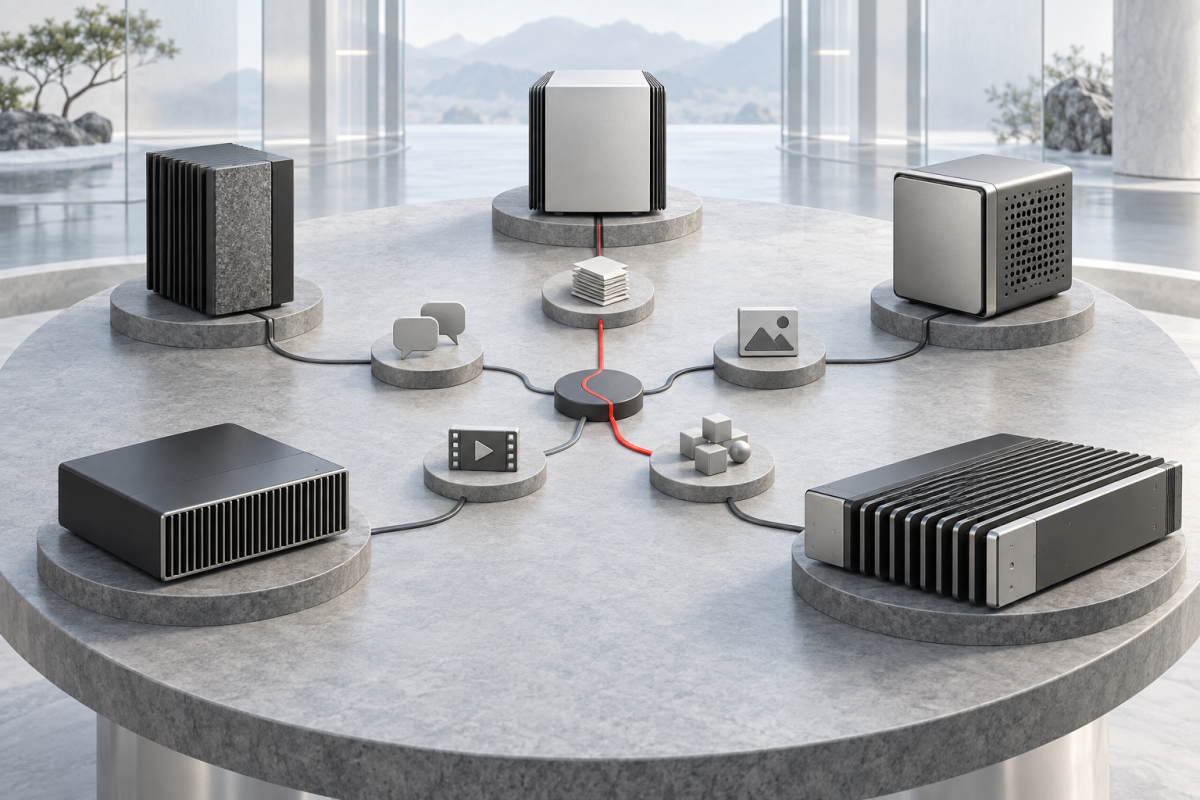
AI Hardware
DGX Spark vs ZGX Nano vs Veriton GN100 vs Dell GB10 vs Mac Studio M5 Ultra
Compare compact local-AI systems by memory, software, workload fit and evidence rather than one headline number.
Read comparison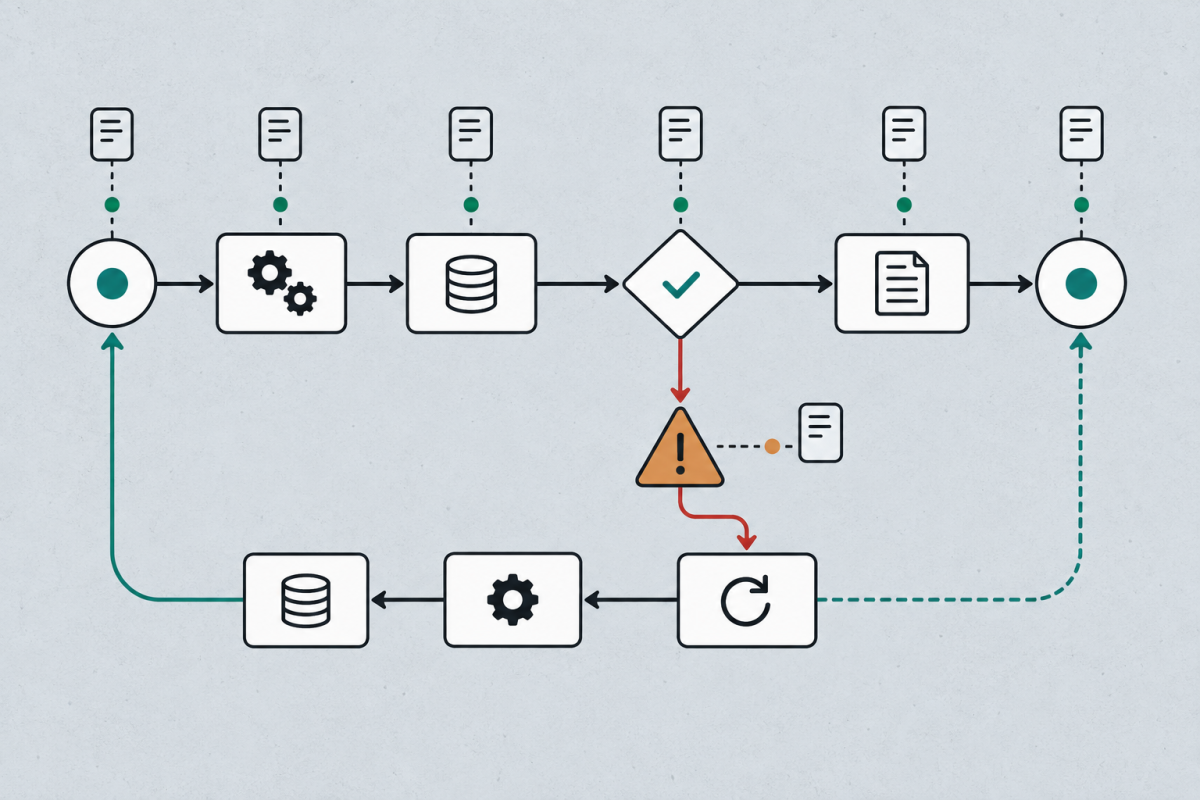
Workflows & Build
Context Engineering for Long-Running AI Agents
Preserve the right context, constraints and decisions across work that lasts longer than one chat.
Read guide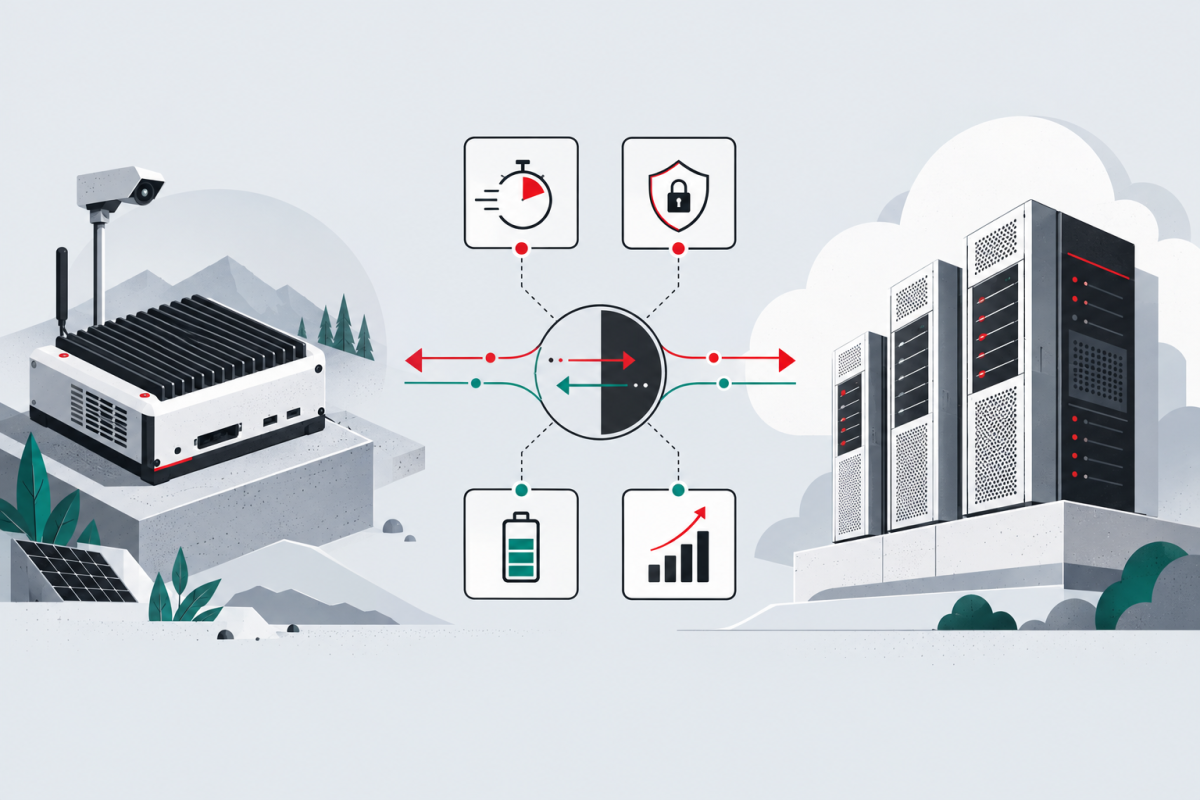
AI Hardware
Local AI Hardware: NPU, GPU or Cloud?
Choose where AI workloads should run by capability, privacy, cost and operational constraints.
Read guide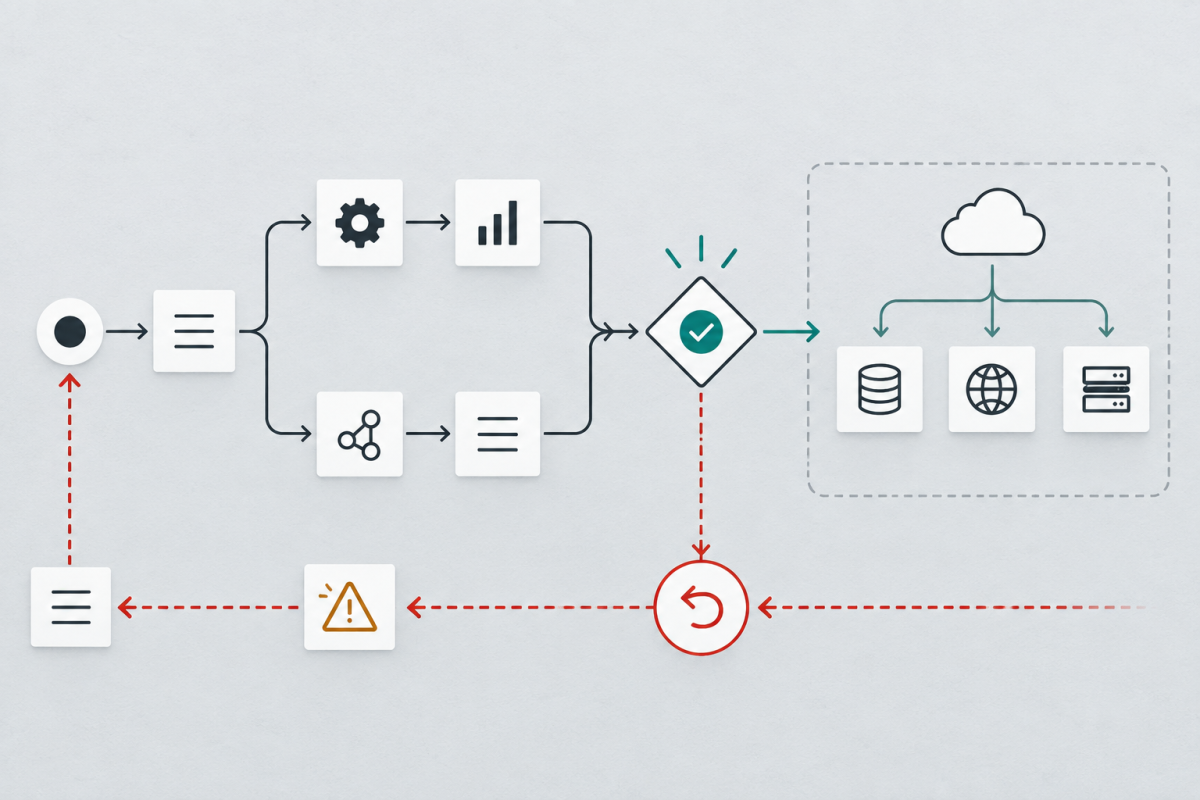
Workflows & Build
How to Evaluate an AI Agent Before It Can Act
Test authority, boundaries, evidence and rollback before an agent is allowed to affect real work.
Read guideStart here
Build systems that remain inspectable.
Stariy.com turns promising demonstrations into bounded, testable and reversible systems.
Keep sources, dates and assumptions visible.
Match authority to the consequences of failure.
Design monitoring, approvals and rollback from the start.
Explore the system
About the publication
Independent analysis for people building real AI systems.
Stariy.com is an independent publication by Stanislav Yanchenko about practical AI systems, agent workflows, infrastructure and evidence-based technology decisions. Sources, dates, assumptions and limitations stay visible so readers can distinguish a useful method from a temporary product claim.
About Stanislav and the publication →DEVICE MATERIALS
AI Hardware for Local Workloads
Evidence-led reviews of compact AI systems, with dated specifications, real product views and a practical comparison.
LATEST COMPARISON
DGX Spark vs ZGX Nano vs Veriton GN100 vs Dell GB10 vs Mac Studio M5 Ultra
Compare five compact local AI systems by memory, software, networking, service, price and availability.
Read the comparison
DEVICE REVIEW
NVIDIA DGX Spark 4 TB Review
A compact CUDA-oriented local AI lab with 128 GB of unified memory.
Read the review
DEVICE REVIEW
HP ZGX Nano 4 TB Review
The enterprise-minded GB10 workstation with security and remote-management considerations.
Read the review
DEVICE REVIEW
Acer Veriton GN100 4 TB Review
A straightforward sealed GB10 appliance for local AI work.
Read the review
DEVICE REVIEW
Dell Pro Max with GB10 4 TB Review
Support, service and procurement around the shared GB10 platform.
Read the review
DEVICE REVIEW
Apple Mac Studio M5 Ultra Review
High-bandwidth unified memory for local inference in the macOS ecosystem.
Read the review