Workflow vs Autonomous Agent vs Multi-Agent System: Choose the Smallest Architecture
September 4, 2026
Human-in-the-Loop AI: Where Approval Helps and Where It Becomes Theatre
September 8, 2026
HP ZGX Nano G1n is a useful demonstration of how much an OEM can change without changing the processor. At its centre is the same NVIDIA GB10 Grace Blackwell platform used by DGX Spark: a 20-core Arm CPU, Blackwell GPU, 128 GB of coherent LPDDR5x memory and 273 GB/s of memory bandwidth. The 4 TB configuration adds a factory-installed PCIe 4.0 x4 self-encrypting OPAL SSD and runs NVIDIA DGX OS rather than Windows.
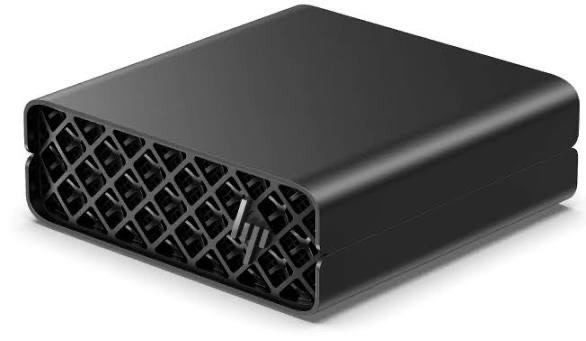
The core AI capacity therefore resembles other GB10 systems. HP advertises up to 1,000 TOPS at FP4 precision and local work with models up to 200 billion parameters. A second system can be connected through the ConnectX-7 fabric for larger distributed workloads. As with every device in this class, “supports a 200B model” describes a possible memory configuration, not a promise of fast output or full-precision training.
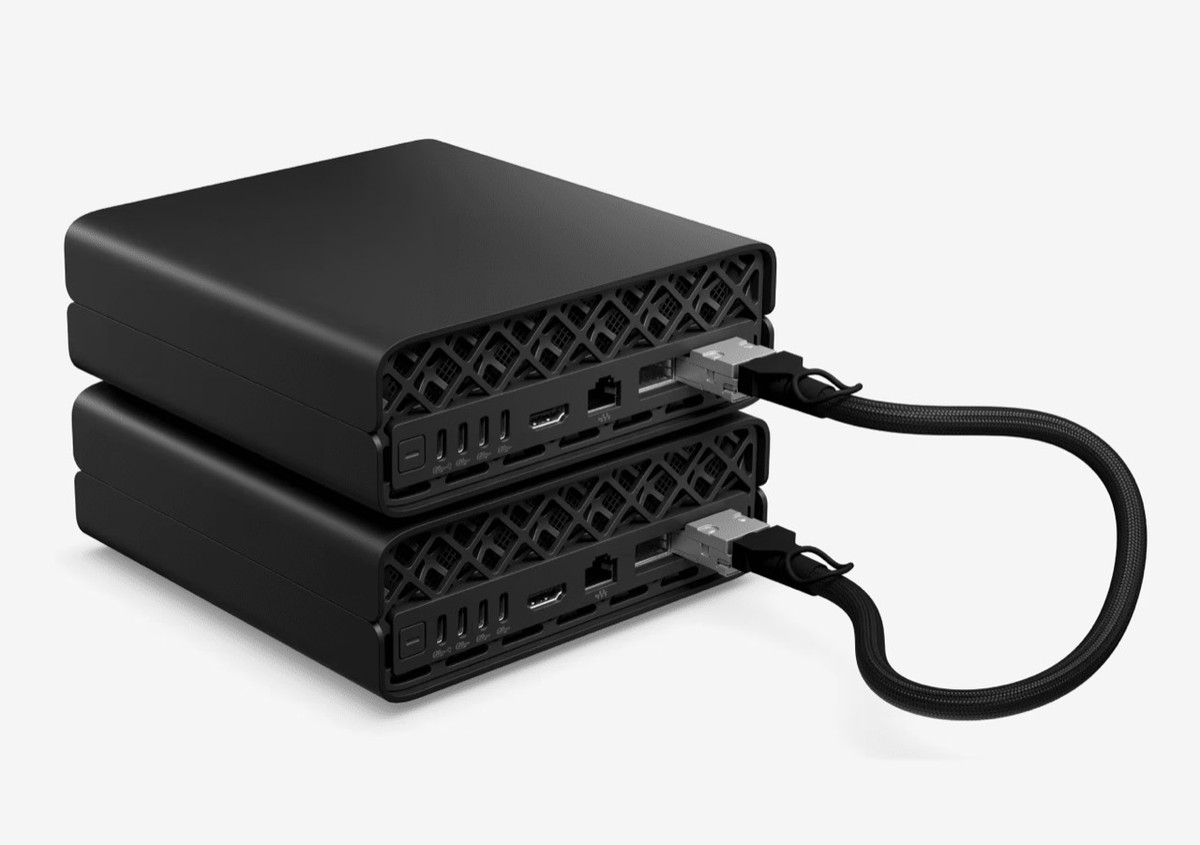
HP’s differentiation is around the appliance. Its documentation lists 10GbE, Wi-Fi 7, Bluetooth 5.4, three 20 Gb/s USB-C data ports, HDMI 2.1a and two 200 Gb/s-signalling QSFP ports, plus a dedicated USB-C power input. The company also provides ZGX Toolkit workflows for discovery and remote use from a separate client. HP states that the client requirements and toolkit availability vary by region, so buyers should verify their intended Windows, Linux or macOS management path before ordering.
Security and procurement are stronger reasons to choose HP than raw model speed. StorageReview reports TPM 2.0 in FIPS 140-2 mode, Common Criteria EAL4+ claims, secure-boot controls and self-encrypting storage. The reviewer also measured CPU and GPU peaks of 77.3°C and 69°C and noted a quoted acoustic envelope of 27.6 dBA under intensive work. Those results apply to its review unit and test environment, but they show why chassis engineering matters even when competing products share the same reference board.
The same review found storage reads reaching 5.5 GiB/s in its 1M-block GDSIO test and described the upper/lower chassis split as more serviceable than several alternatives. Serviceability remains limited: memory is soldered and most components are not user-replaceable. HP’s Remote System Controller can provide BIOS-level KVM and virtual media when configured, but HP notes that the unit must already be powered on.
Price is the difficult part. HP’s US store lists a 4 TB SKU but did not expose a stable public cash price in the checked page. Regional official stores showed large differences: the UK listing showed £7,199.99 including VAT and in stock, while Germany showed €6,849 including VAT with limited stock. These are dated regional snapshots and should not be converted into a universal price. Request a written quote that includes warranty, support and the required QSFP cable.
Choose the ZGX Nano when enterprise support, security controls, remote administration and procurement evidence matter. If those features do not matter, the shared GB10 compute means price and availability should carry more weight. See DGX Spark for the reference experience, Dell Pro Max with GB10 for another enterprise implementation and the full comparison.
Related reading: AI agent safety, permissions and rollback.