Acer Veriton GN100 4 TB Review: A Straightforward GB10 Appliance
September 9, 2026
Prompting vs RAG vs Fine-Tuning: Choose the Lever That Matches the Failure
September 14, 2026
A coding agent is not a model that produces a large code block. It is a tool-using system that can inspect a repository, edit files, run commands, observe failures and repeat the cycle until an external check says the change works.
Repository context comes first
The agent needs project-specific commands, architecture, conventions and boundaries. Anthropic recommends repository instruction files for commands, core files, style and testing guidance. The same principle applies across tools: give the agent a concise map, then let it inspect relevant files instead of loading the whole codebase.
The workspace is part of the architecture
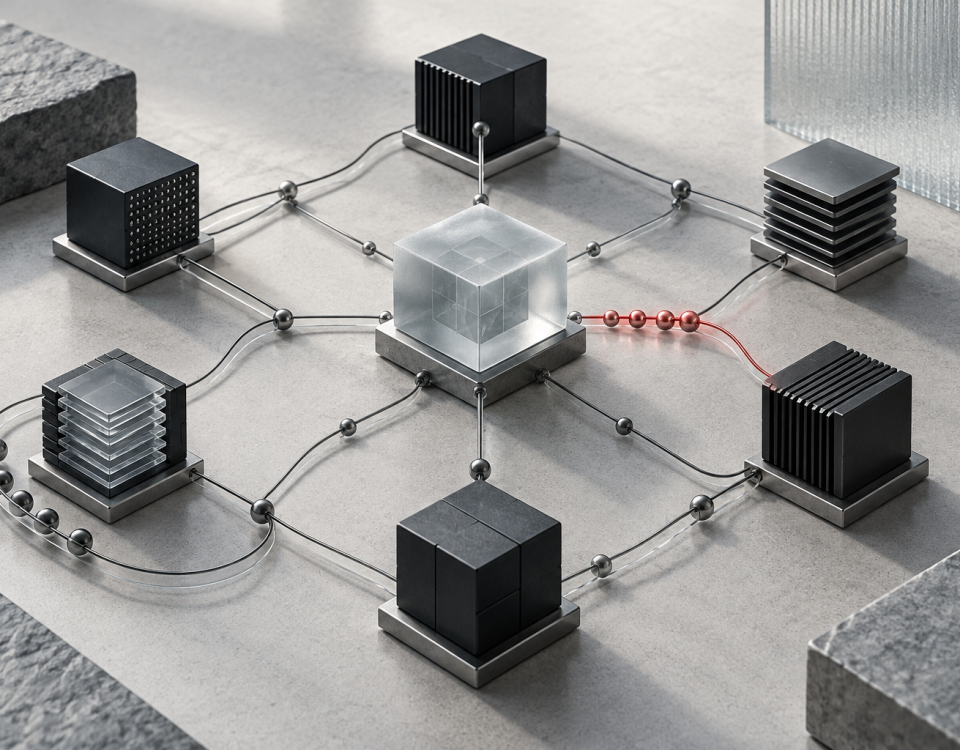
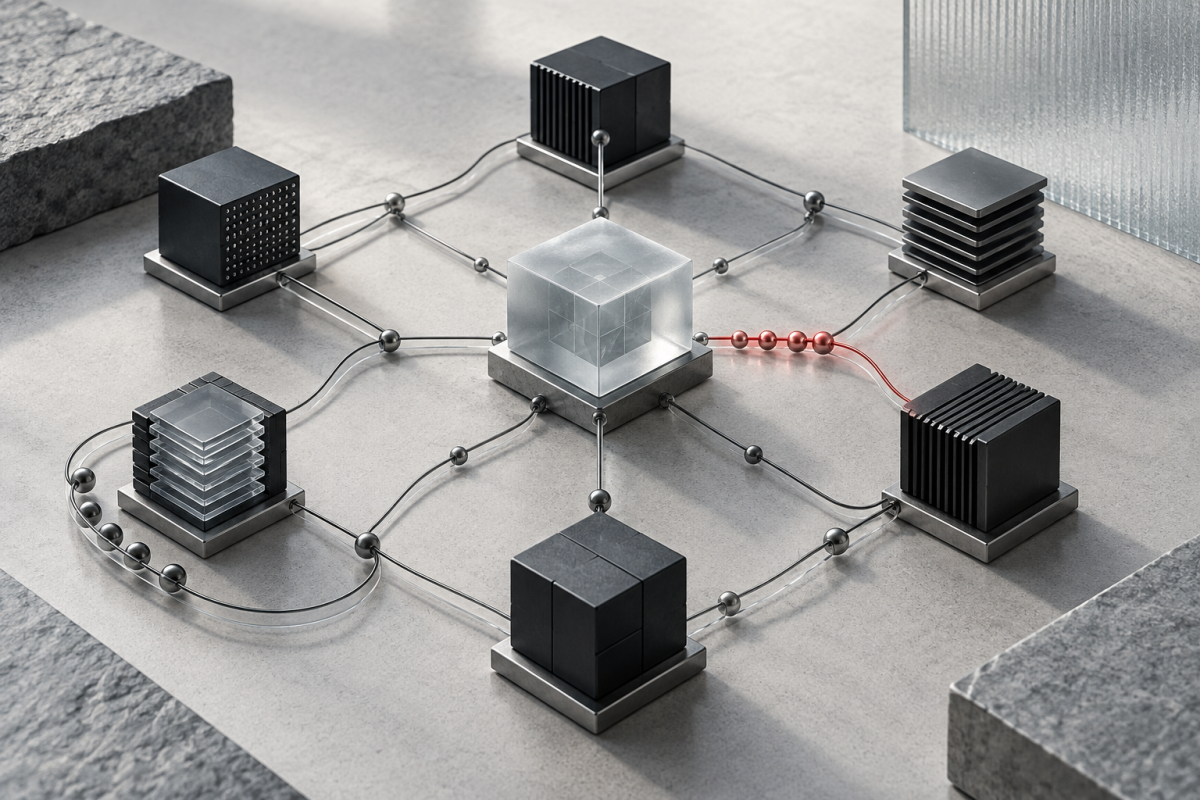
OpenAI’s sandbox documentation separates the harness from execution. The harness owns the agent loop, approvals, traces and recovery state. The sandbox owns files, commands, packages and process execution. This boundary lets the system limit filesystem and network access without putting credentials or control logic inside the model’s workspace.
Snapshots and version control make changes reviewable and reversible. They are not a substitute for backup or deployment gates, but they reduce the cost of experimentation.
A reliable coding loop
- Inspect instructions and relevant code.
- Reproduce the problem or establish a failing test.
- Plan the smallest change.
- Edit one bounded area.
- Run focused tests, then wider regression checks.
- Inspect the diff and generated artifacts.
- Record unresolved risks and stop conditions.
Tests matter because the model should not decide alone that its code is correct. For visual output, render or open the result. For migrations, test on a disposable copy. For security-sensitive code, require independent review.
Recovery is normal, not exceptional
Commands fail, dependencies conflict and partial edits occur. A coding agent needs timeouts, captured error output, retry limits and a clean way to return to a known state. It should not hide a failure by weakening tests or changing acceptance criteria.
Security boundaries
Shell and network access create supply-chain and data-exfiltration risks. Anthropic describes filesystem and network isolation as key sandbox boundaries. Keep secrets outside the workspace when possible, limit mounts, review new dependencies and require approval before external publication or deployment.
When a coding agent is unnecessary
Use ordinary automation for a deterministic formatting task or a known migration script. Use an assistant rather than an autonomous loop when the repository cannot be safely sandboxed or when tests do not provide meaningful feedback.
Read Agent Skills for reusable engineering procedures, AI Agent Safety for permissions and Agent Observability for traces.
Primary sources
Adaptation note: This article was informed by the coding-agent architecture in AI Agents in Depth: Design Principles and Engineering Practice by Bojie Li and contributors, Apache License 2.0. It was independently rewritten and enriched with current primary engineering documentation.